If this message is not displayed properly, click here please.
To open the newsletter as a PDF, please click here.

When Environmental Toxins Disrupt Hormones: Microplastics as a New Risk Factor

To be honest: when I first began to truly understand the effects of microplastics, I wanted to close my eyes and hear or read nothing more about it - not another source of potential health damage. Yet in recent years, awareness has grown tremendously worldwide, and more and more people are recognizing that microplastics could be among the greatest challenges we must face in the coming years. It is not only outside of us - it is already inside our bodies (1,2). Polypropylene, developed in Italy in the 1950s, is now - some 60 years later - being detected in the placenta and meconium of newborns (3).

These findings make it clear that microplastics are no longer merely an environmental problem, but a biological reality within the human body. This newsletter provides an overview of the current challenges posed by xenohormones in connection with microplastics and the necessity of an interdisciplinary approach to combat their negative effects on our health.

What are Endocrine Disruptors (EDCs)?

EDCs are the scientific umbrella term for all foreign substances that influence or disrupt the hormonal system. Unlike classic toxins, they often act at very low concentrations, similar to the body's own hormones. Many of these substances are fat-soluble, accumulate in adipose tissue, and can thus exert long-term effects in the body (4,5).

Commonly occurring endocrine disruptors include:

  • Glyphosate
  • Phthalates (plasticizers)
  • Bisphenols (e.g., BPA)
  • Pyrethroids
  • Pesticides such as DDT and lindane
  • Per- and polyfluorinated substances (PFOA, PFOS)
  • Phenols, formaldehyde, and parabens

How Xenohormones Affect the Body

Xenohormone is a descriptive term for those EDCs that act in a hormone-like manner, meaning they mimic, block, or alter the effects of the body's own hormones ("xeno" = foreign).

The endocrine system is one of the most important interfaces between body and environment. Hormones regulate metabolism, brain development, reproduction, immune balance, and stress responses. Disruptions at any of these levels can lead to chronic diseases (4).

Xenohormones primarily affect:

  • The autonomic nervous system
  • Brain and nerve cells
  • The hormonal and reproductive system (5)

Diseases Associated with EDC Exposure:

  • Infertility and reproductive disorders
  • Neurodevelopmental disorders (ADHD, autism)
  • Chronic pain and polyneuropathies
  • Immune dysregulation
  • Thyroid and adrenal dysfunction
  • Hormone-dependent cancers (breast, prostate, colon cancer)

Since these substances are fat-soluble, they accumulate in adipose tissue, the brain, endocrine glands, and cell membranes - often over many years.

Early Exposure with Consequences Across Generations

EDCs act even before birth. They can cross the placenta, accumulate in breast milk, and influence germ cells through epigenetic changes. Thus, their effects concern not only the directly exposed individual but can be passed on to subsequent generations. Fetuses and children are particularly sensitive, as hormonal disruptions during sensitive developmental phases can trigger long-term changes in the brain, metabolism, and reproductive system (6).

A New and Growing Concern: Microplastics

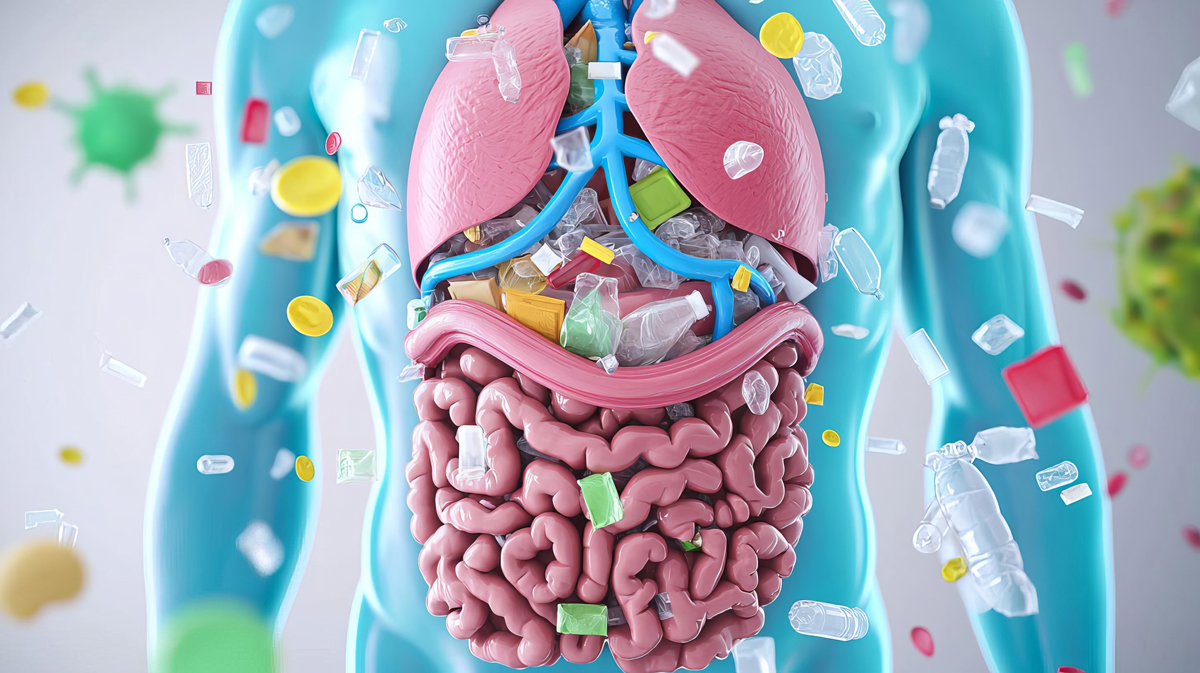
Microplastics—tiny plastic particles smaller than 5 mm - have now been detected in human blood, lungs, placenta, breast milk, and even brain tissue (7).

It comes from sources including:

  • Plastic packaging and bottles
  • Synthetic textiles
  • Cosmetics and personal care products
  • The breakdown of larger plastic waste
  • Food and consumer goods

A New and Growing Concern: Microplastics

Microplastics—tiny plastic particles smaller than 5 mm - have now been detected in human blood, lungs, placenta, breast milk, and even brain tissue (7).

It comes from sources including:

  • Plastic packaging and bottles
  • Synthetic textiles
  • Cosmetics and personal care products
  • The breakdown of larger plastic waste
  • Food and consumer goods

It is alarming that micro- and nanoplastics have already been found in our food. Most particles enter via water and fatty foods of animal origin, as plastic components accumulate in fish, meat, and milk. Through heating during cooking, these particles can further enter our food chain and thus be absorbed into the human body (7-9). One study showed that in Europe (France), we absorb about 1.8 g of plastic per month, in the USA 2.4 g, and in Indonesia as much as 12.8 g per month - roughly the amount of a ballpoint pen (1).

A documentary produced by a Swiss TV station (SRF) titled "Homo Plasticus" showcased the research of various scientists in this field (10). Microplastics are by no means neutral. They act as carriers and amplifiers for endocrine disruptors, heavy metals, and persistent organic pollutants. Many particles themselves contain hormonally active substances such as BPA, phthalates, or flame retardants, and gradually release these as xenohormones into the body. Thus, microplastics effectively function as a slow-release system for xenohormones in the human body (11).

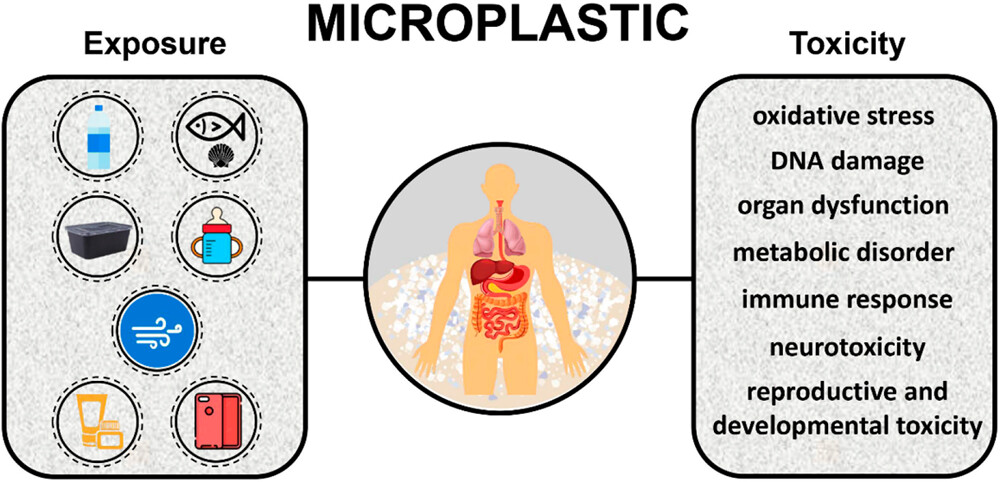
Fig. 2 (Li Y et al, Environ Health. 2023): Effects of microplastics

Testing and Assessment of Toxic Burden

Classic toxicity tests often fail to capture the actual danger posed by EDCs, as they assume that higher doses are automatically more harmful. Hormonally active substances, however, follow different biological laws (11,12).

Modern Diagnostics include:

  • Blood and urine analyses for organic toxins
  • Metabolites of phthalates and bisphenols
  • PFOA / PFOS
  • Glyphosate (AMPA)
  • Pesticides, PCBs, and heavy metals

At the Paracelsus Clinic, we can specifically test for organic toxins in blood and urine.

How Organic Toxins Are Eliminated from the Body

Many organic pollutants from the environment, diet, or plastics are fat-soluble. This means they can deposit in adipose tissue, the nervous system, and cell membranes, and cannot simply be excreted via urine or stool.

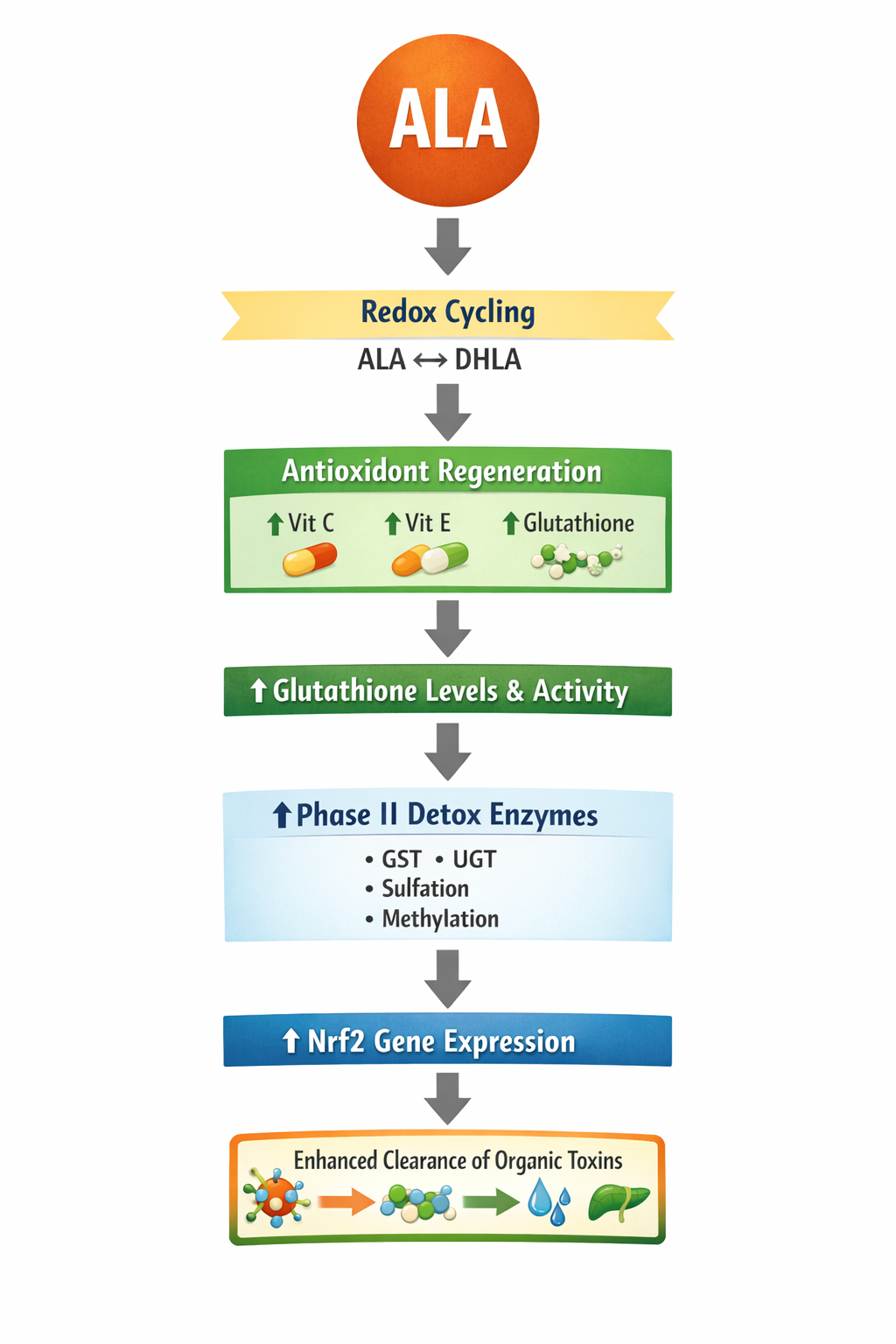
Fat-soluble toxins are preferentially eliminated by the body through the liver and bile into the intestine. In the liver, these substances are first biochemically transformed (Phase II detoxification) so that they become water-soluble and suitable for excretion via urine. For these detoxification processes to run smoothly, the body needs sufficient energy, functioning antioxidants, and stable glutathione supply. This is precisely where alpha-lipoic acid comes into play (13). (See Figure 3.)

Fig. 3 How Alpha-Lipoic Acid Can Help Detoxify Fat-Soluble Toxins

Fat-soluble toxins can also be excreted through bile into the intestine. A well-functioning bile flow is crucial here. Bitter substances can support bile production and flow, thereby improving the elimination of fat-soluble toxins. In the intestine itself, binding agents such as zeolite can be used to bind toxin-containing bile complexes and excrete them with stool. Targeted support of intestinal transit, for example through accompanying colon hydrotherapy, can also support detoxification and indirectly relieve the liver via the portal vein. Liver, bile, and intestine thus form a closely cooperating system for the safe elimination of organic pollutants.

Small amounts of certain pollutants can be excreted through the skin with sweat. Infrared heat can support this process, but it does not replace liver and intestinal detoxification; rather, it acts complementarily by promoting circulation, metabolism, and sweating.

Successful elimination of organic toxins is not based on a single measure, but on the interaction of several supporting strategies. The goal is to relieve the liver, bile, intestine, and cellular metabolism, reduce new exposure, and stabilize the body's own detoxification pathways in the long term.

Central Supporting Strategies at the Paracelsus Clinic:

  • Therapeutic Apheresis – Paracelsus Apheresis
  • Liver and bile activation – Paracelsus Liver Detoxification
  • Elimination infusions with glutathione, alpha-lipoic acid, etc. – Paracelsus Infusions
  • Restoration of intestinal microbiota – Paracelsus Biofilm & Gut Restoration Program
  • Biological, low-toxin diet – Paracelsus Elimination Diet
  • Mobilization of pollutants from tissue – Paracelsus Connective Tissue and Lymphatic Massages
  • Iratherm and infrared sauna (external) – supports elimination through sweat
  • Indiba application on the liver
  • Colon hydrotherapy
  • Zeolite and chlorella

Therapeutic Apheresis for Reduction of Microplastics and Xenohormones

Apheresis is today one of the most useful procedures for reducing microplastics (14). Through a double-filter system, plastic can be removed from plasma and the burden in the blood reduced. It is possible to examine the eluate for microplastics, xenohormones, and heavy metals. This is particularly sensible for patients from heavily polluted regions or for patients with so-called "diseases of unknown origin," which have increased significantly in recent years. Hormone-related diseases, as mentioned above, can also benefit from apheresis, as it can reduce xenohormones in the body.

What You Can Do Today

  • Consume consciously: question food, materials, packaging, and ingredients
  • Reduce plastic contact, especially with food, heat, and acids
  • Filter drinking water
  • Support the intestine, liver, and detoxification pathways
  • Stay informed—awareness is the first step toward prevention

Common Plastic and Xenohormone Sources in Daily Life - and Better Alternatives

  • Cosmetics & Personal Care
    Problem substances: Parabens, phthalates, synthetic fragrances
    Examples: Creams, shampoos, deodorants, sunscreen
    Alternatives: Natural cosmetics with organic certification, fragrance-free, paraben-free
  • Plastic Packaging
    Problem substances: BPA, BPS, phthalates
    Examples: PET bottles, plastic wrap, canned food
    Alternatives: Glass, stainless steel, ceramic

  • Household Cleaners
    Problem substances: Fragrances, preservatives, disinfectants
    Examples: All-purpose cleaners, toilet cleaners, sprays
    Alternatives: Ecological cleaners, vinegar, lemon, baking soda

  • Food
    Problem substances: Pesticide residues, xenohormones from packaging, bioaccumulation of microplastics and xenohormones in animal fat
    Examples: Conventionally grown fruits and vegetables, heavily processed foods, and animal products—particularly those higher up the food chain (e.g., large fish that eat smaller fish, or calves that drink their mother's milk and thus accumulate more).
    Alternatives: Organic food, freshly prepared, unpackaged, avoidance of large fish

  • Textiles & Furniture
    Problem substances: Flame retardants, waterproofing, synthetic fibers
    Examples: Performance clothing, new furniture, carpets
    Alternatives: Natural fibers (organic cotton, wool), eco-certifications

  • Toys & Baby Products
    Problem substances: Phthalates, BPA
    Examples: Plastic toys, baby bottles
    Alternatives: BPA- and phthalate-free, wooden toys, glass bottles

  • Indoor Air
    Problem substances: Scented candles, room sprays, fabric softener
    Alternatives: Regular ventilation, ecological detergents, essential oils in moderation
  • Consumer Goods
    Problem substances: Microplastics and xenohormones in vapes, cigarette filters, and other everyday products
    Alternatives: Avoidance where possible, or alternatives made of glass, metal, or natural materials


Helpful Seals & Certifications

  • Natural cosmetics: BDIH, NaTrue, Ecocert, COSMOS
  • Food: EU Organic Seal, Demeter, Bioland, Naturland
  • Textiles: GOTS, IVN Best
  • Toys & baby products: "BPA-free", "phthalate-free", Öko-Test "very good"

Foods to Support Hormonal Balance

Certain foods actively help block excess estrogen (xenohormones), improve estrogen metabolism, and support liver detoxification.


Anti-estrogenic & Hormone-Modulating Foods

  • Ground flaxseeds – rich in lignans Application: 1–2 tablespoons daily
  • Cruciferous vegetables – broccoli, cabbage, cauliflower, Brussels sprouts
  • Turmeric – always combine with black pepper
  • Green tea – 2–3 cups daily
  • Pomegranate – rich in ellagic acid
  • Mushrooms – button mushrooms, shiitake, oyster mushrooms
  • Allium vegetables – garlic, onions, leeks
  • Berries – blueberries, raspberries, black currants


Specifically Supporting the Liver – Key to Estrogen Detoxification with the following foods:

  • Artichokes
  • Milk thistle
  • Dandelion
  • Bitter substances (e.g., chicory, endive)
  • Adequate fluid intake and herbal teas provide additional support.

Closing Thoughts

Endocrine disruptors and microplastics are among the most pressing and yet most underestimated health challenges of our time. Their effects are often subtle, cumulative, and long-term - but not inevitable.

In high school, my daughter conducted a very interesting experiment: a five-week "zero-waste" challenge. We all participated and bought only unpackaged food, brought our own containers to purchase rice and beans, got fruit and milk directly from the farmer, avoided conventional personal care products, and so on. In the end, only a small jar of waste remained that truly could not be avoided, such as receipts. It was possible - but in our current times, certainly a challenge.

With awareness, appropriate diagnostics, and targeted biological strategies to support detoxification, pollutant burden can be reduced, future generations can be protected, and cellular resilience can be strengthened.

Your health is determined not only by your genes, but every single day also by the environment in which you live.

With kind regards

Renate Liu, MD

References:

  1. Schwabl P, Köppel S, Königshofer P et al. Detection of Various Microplastics in Human Stool: A Prospective Case Series. Ann Intern Med. 2019 Oct 1;171(7):453-457.
  2. Hartmann C, Lomako I, Schachner C et al. Assessment of microplastics in human stool: A pilot study investigating the potential impact of diet-associated scenarios on oral microplastics exposure. Sci Total Environ. 2024 Nov 15;951:175825.
  3. Zhang J, et al. Occurrence of polyethylene terephthalate and polycarbonate microplastics in infant and adult feces. Environ Sci Technol Lett. 2021.
  4. Ismanto A et al. Endocrine disrupting chemicals (EDCs) in environmental matrices: Occurrence, fate, health impact, physio-chemical and bioremediation technology. Environ Pollut. 2022 Jun 1;302:119061.
  5. Han X, Jin X. The impact, mechanisms and prevention strategies of environmental endocrine disruptors on male reproductive health. Front Endocrinol (Lausanne). 2025 Oct 1;16:1573526.
  6. Peretz J, Vrooman L, Ricke WA, et  Bisphenol A and Reproductive Health: Update of Experimental and Human Evidence, 2007–2013. Environ Health Perspect. 2014;122(8):775‑786.
  7. Li Y et al. Potential Health Impact of Microplastics: A Review of Environmental Distribution, Human Exposure, and Toxic Effects. Environ Health (Wash). 2023 Aug 10;1(4):249-257.
  8. Zolotova N et al. Harmful effects of the microplastic pollution on animal health: a literature review. PeerJ. 2022 Jun 14;10:e13503.
  9. Osman AI et al. Microplastic sources, formation, toxicity and remediation: a review. Environ Chem Lett. 2023 Apr 4:1-41.
  10. https://www.srf.ch/wissen/gesundheit/beunruhigender-fund-der-plastik-ist-in-uns-und-was-tut-er-da
  11. Alijagic A et al. The triple exposure nexus of microplastic particles, plastic-associated chemicals, and environmental pollutants from a human health perspective. Environ Int. 2024 Jun;188:108736.
  12. Winiarska E, Jutel M, Zemelka-Wiacek M. The potential impact of nano- and microplastics on human health: Understanding human health risks. Environ Res. 2024 Jun 15;251(Pt 2):118535.
  13. Castro MC, Villagarcía HG, Massa ML, Francini F. Alpha‑lipoic acid and its protective role in fructose‑induced endocrine‑metabolic disturbances. Food & Function. 2019;10:16‑
  14. Bornstein SR, Gruber T, Katsere D et al. Therapeutic apheresis: A promising method to remove microplastics? Brain Med. 2025 May;1(3):52-53.

From the Metal Age to the Plastic Age of Dentistry

It took the world 34 years to phase out mercury from dental fillings. Finally done – you might think. But instead of moving toward a material-free future, dentistry has seamlessly swapped the metal age for the plastic age. Today, composites, 3D-printed aligners, and polymer prosthetics dominate everyday practice. Sounds harmless – but it’s not.

In this newsletter, Prof. Dr. Dr. Tilman Fritsch explains why these new materials affect our Oraliom and the entire body – and why we urgently need to take a closer look before the next generational damage occurs.

Discover more from Paracelsus Clinic

If you don't want to receive this newsletter anymore, you can unsubscribe here.
Paracelsus Klinik Lustmühle AG | Battenhusstrasse 12, 9062 Lustmühle | Switzerland